🎯 Key Takeaways
- Testosterone naturally declines about 1-2% per year after age 30
- Common symptoms include fatigue, low libido, muscle loss, mood changes, and body fat increase
- A simple blood test can confirm low testosterone levels (below 300 ng/dL)
- Lifestyle changes including exercise, sleep optimization, and nutrition can naturally boost levels
- Testosterone Replacement Therapy (TRT) is effective but requires careful medical supervision
Understanding Testosterone
Testosterone is the primary male sex hormone, produced mainly by the testes with small amounts from the adrenal glands. It plays essential roles in muscle mass development, bone density maintenance, fat distribution, red blood cell production, sex drive, and sperm production.
Normal testosterone levels for adult men range from 300 to 1,000 ng/dL (nanograms per deciliter). Levels naturally peak during adolescence and early adulthood, then gradually decline at a rate of approximately 1-2% per year starting around age 30. This natural decline is called andropause or late-onset hypogonadism.
Low testosterone (hypogonadism) is clinically defined as total testosterone below 300 ng/dL accompanied by symptoms. The Endocrine Society estimates that approximately 2-6% of men have clinically significant low testosterone, though the prevalence increases with age, affecting up to 20% of men over 60.
Signs of Low Testosterone
Physical Signs
- Reduced muscle mass and strength: Testosterone is anabolic, meaning it builds tissue. Low levels lead to noticeable muscle loss and decreased physical strength
- Increased body fat: Particularly around the abdomen. Some men develop gynecomastia (enlarged breast tissue)
- Fatigue: Persistent tiredness and reduced energy levels despite adequate sleep
- Decreased bone density: Increasing the risk of fractures, especially in older men
- Hair loss: Thinning body and facial hair (distinct from male-pattern baldness, which is largely genetic)
- Hot flashes: Sudden feelings of warmth, similar to those experienced during menopause
Sexual and Reproductive Symptoms
- Low libido: Significant decrease in sexual desire and interest
- Erectile difficulties: Trouble achieving or maintaining erections
- Reduced sperm count: Which may impact fertility
- Smaller testes: Testicular volume may decrease
Mental and Emotional Symptoms
- Depression and mood changes: Low testosterone is associated with increased rates of depression and irritability
- Brain fog: Difficulty concentrating, poor memory, and reduced mental clarity
- Sleep disturbances: Insomnia or changes in sleep patterns
- Reduced motivation: Loss of drive and ambition in professional and personal life
Interested in natural approaches to boosting energy and vitality?
Explore Ashwagandha Benefits →Causes of Low Testosterone
Low testosterone can result from primary causes (testicular dysfunction) or secondary causes (problems with the pituitary or hypothalamus):
- Aging: The most common cause of gradual testosterone decline
- Obesity: Excess body fat, particularly visceral fat, converts testosterone to estrogen and suppresses production
- Chronic conditions: Type 2 diabetes, metabolic syndrome, liver or kidney disease
- Medications: Opioids, corticosteroids, and certain chemotherapy drugs
- Sleep disorders: Sleep apnea significantly reduces testosterone production
- Stress: Chronic stress elevates cortisol, which suppresses testosterone synthesis
- Injury or infection: Testicular injury, mumps orchitis, or other conditions affecting the testes
Testing and Diagnosis
Diagnosis requires two separate early-morning blood tests showing total testosterone below 300 ng/dL, along with the presence of symptoms. Morning testing is important because testosterone levels are highest shortly after waking and decline throughout the day.
A comprehensive evaluation typically includes total testosterone, free testosterone, LH (luteinizing hormone), FSH (follicle-stimulating hormone), prolactin, complete blood count, and metabolic panel. These help distinguish between primary and secondary hypogonadism and rule out other conditions.
🩺 Doctor's Note
If you suspect low testosterone, do not self-diagnose or self-treat. Over-the-counter "testosterone boosters" are largely unregulated and may be ineffective or harmful. Schedule a comprehensive evaluation with your physician or an endocrinologist. Proper testing and diagnosis are essential before starting any hormone therapy.
Treatment Options
Testosterone Replacement Therapy (TRT)
TRT is the most direct treatment for clinically low testosterone. It is available in several forms:
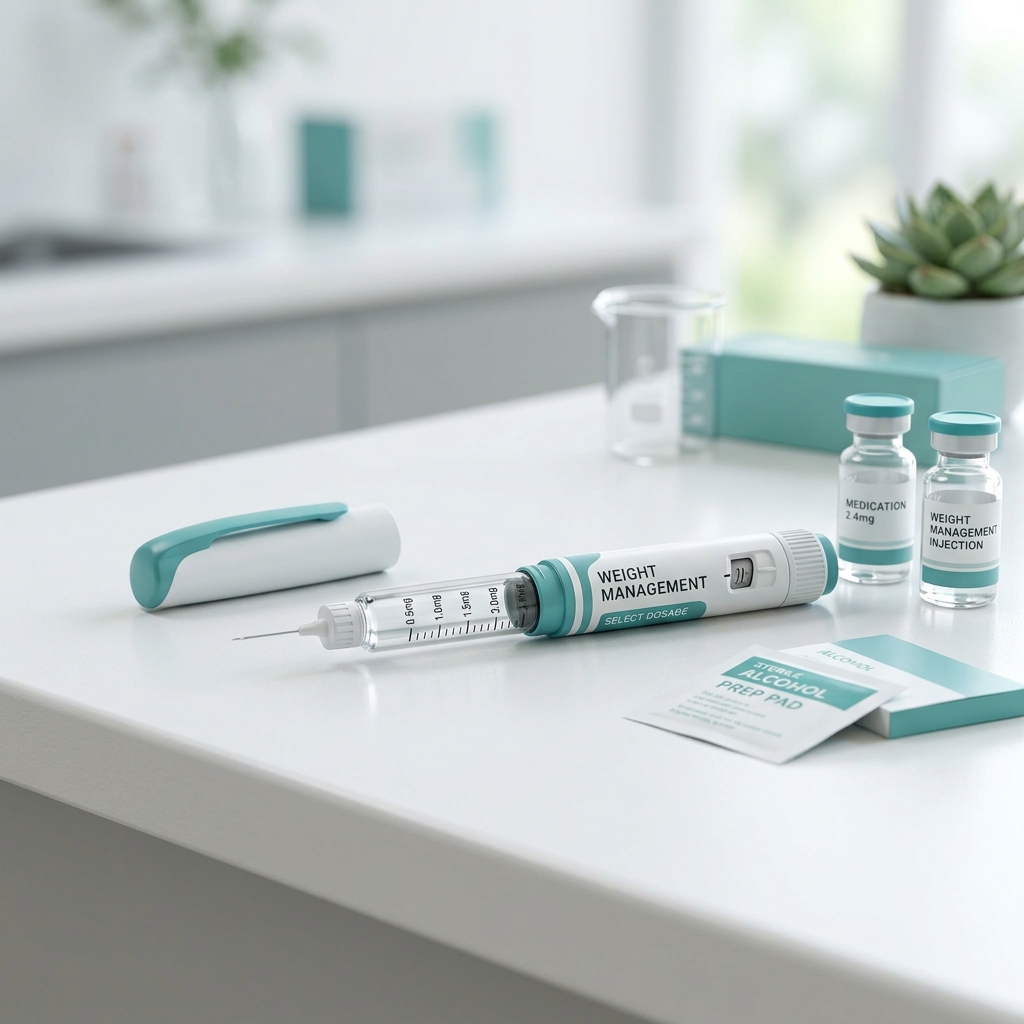
- Injections: Testosterone cypionate or enanthate injected every 1-2 weeks (most common and cost-effective)
- Topical gels: Applied daily to shoulders or upper arms; provides steady hormone levels
- Patches: Worn on the skin daily; convenient but may cause skin irritation
- Pellets: Small pellets implanted under the skin every 3-6 months for consistent release
TRT effectively improves energy, libido, muscle mass, mood, and bone density in men with confirmed low testosterone. However, it requires regular monitoring of blood counts, liver function, and PSA levels, and it can impact fertility by suppressing sperm production.
Discover how precision medicine is personalizing treatment approaches for hormonal conditions.
Learn About Personalized Medicine →Natural Ways to Boost Testosterone
Resistance Training
Compound exercises like squats, deadlifts, bench press, and rows stimulate the highest testosterone responses. Research shows that resistance training 3-4 times per week can increase testosterone levels by 15-20% in men with mildly low levels. High-intensity interval training (HIIT) also shows positive effects.
Sleep Optimization
Most testosterone production occurs during deep sleep. Studies demonstrate that sleeping only 5 hours per night for one week can reduce testosterone levels by 10-15%. Aim for 7-9 hours of quality sleep, maintain a consistent schedule, and address any sleep disorders like sleep apnea.
Nutrition for Testosterone
- Zinc: Essential for testosterone synthesis; found in oysters, red meat, poultry, beans, and nuts
- Vitamin D: Low vitamin D is strongly correlated with low testosterone; supplementation can help
- Healthy fats: Adequate fat intake (including monounsaturated and saturated fats) supports hormone production
- Minimize alcohol: Excessive alcohol consumption directly suppresses testosterone production
⚡ Quick Summary
Low testosterone is common, treatable, and increasingly recognized as a significant health concern for aging men. Symptoms range from fatigue and low libido to mood changes and muscle loss. A combination of lifestyle optimization (exercise, sleep, nutrition) and, when needed, medical treatment under physician guidance can effectively restore testosterone levels and improve quality of life.
Sources & References
- Bhasin, S., et al. (2018). "Testosterone Therapy in Men with Hypogonadism." The Journal of Clinical Endocrinology and Metabolism, 103(5), 1715-1744.
- Travison, T. G., et al. (2017). "Harmonized Reference Ranges for Circulating Testosterone Levels." The Journal of Clinical Endocrinology and Metabolism, 102(4), 1161-1173.
- Leproult, R., & Van Cauter, E. (2011). "Effect of 1 Week of Sleep Restriction on Testosterone Levels." JAMA, 305(21), 2173-2174.
- Kumagai, H., et al. (2016). "Increased physical activity has a greater effect than reduced energy intake on lifestyle modification-induced increases in testosterone." Journal of Clinical Biochemistry and Nutrition, 58(1), 84-89.